
Effective Communication in Veterinary Care

I am from Penang, Malaysia, is currently studying Veterinary Medicine at Universitas Airlangga. I am dedicated to improving the health and well-being of animals and hope to make a positive impacts.
·waktu baca 4 menit


Tulisan dari christina loo tidak mewakili pandangan dari redaksi kumparan
 Perbesar
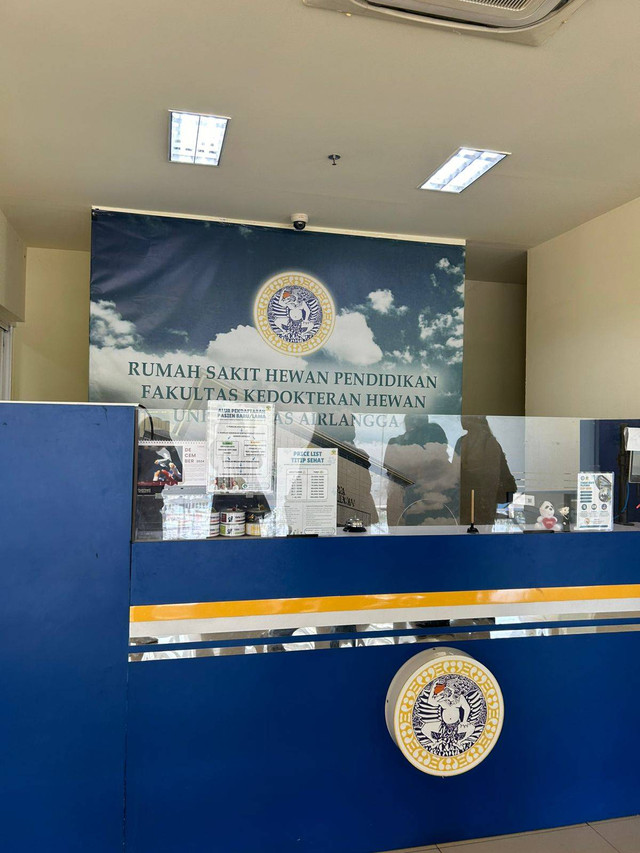
I had the chance to visit Rumah Sakit Hewan at Universitas Airlangga as a veterinary student who is very interested in animal health and welfare in order to study and comprehend the communication dynamics in a clinical veterinary context. This experience was crucial for understanding the practical interpersonal skills needed in veterinary practice as well as how good healthcare delivery is influenced by effective communication.
I was struck by the clinic's professionalism and serene atmosphere as soon as I walked into Rumah Sakit Hewan. The main place where hospital employees and patients, including pet owners and their animals, interacted was the reception area. Many pet owners' obvious apprehension was reduced by the friendly greetings given by the front desk staff. Clear, polite discourse, comforting smiles, and eye contact were all used to establish comfort and trust right away.
Clear and succinct verbal explanations, frequently accompanied by hand gestures or visual aids to improve comprehension, were the hallmark of communication between health professionals and patients. For example, a veterinarian explained a surgical process to a worried dog owner using diagrams of canine anatomy. By combining spoken and visual communication, complicated medical terms were made easier to understand for people who are not medical professionals.
Another noteworthy aspect was the interprofessional communication between veterinary nurses and veterinarians. When talking about treatment plans or particular instances, direct and understandable language was frequently used. A collaborative atmosphere was shown by phrases like "Let's review the X-ray findings together" and "Please prepare the sedation medication." To ensure team alignment, nonverbal clues like nods and affirmative gestures were essential.
The way veterinarians spoke with pet owners was one of the most influential findings. A recurring theme in these exchanges was empathy. A veterinarian showed both knowledge and empathy as they talked to a distraught cat owner about a recent kidney illness diagnosis. The veterinarian spoke softly, kept eye contact, and began explanations with statements like "I know this must be hard." This approach provided reassurance and fostered trust.
Additionally, veterinarians asked open-ended inquiries to their clients, like, "How has your pet's behavior been over the past few days?" This incentivized customers to provide valuable information that they might not have otherwise provided. To ensure that clients felt involved in their pet's care and to obtain a thorough grasp of the animal's health, such open communication was crucial. Nonverbal clues that supported the vets' active listening included steady eye contact, nodding, and composed body position. Leaning forward and gently resting hands on the desk are two little body language changes that demonstrate empathy and attentiveness while breaking bad news.
Keeping the lines of communication open during emergencies was another difficulty. The arrival of a dog that had been struck by a car, for example, caused communication to change to emphasize quick, directive interactions that were centered on taking immediate action. This approach emphasized the conflict between effectiveness and thorough client communication, even if it was vital for the animal's welfare. It was crucial to give brief, straightforward directions during these stressful times. Veterinarians, however, would return to the scenario after the crucial time had gone to provide pet owners thorough updates, balancing empathetic communication with urgent care. Evidence suggests that debriefing after emergency care helps preserve client trust and understanding, especially in situations where initial communication must be quick.
The importance of good communication in veterinary practice was greatly illuminated by observing the communication tactics used at Rumah Sakit Hewan. Mutual understanding and a smooth workflow were maintained through the use of explicit verbal instructions and affirmative nonverbal cues. But communication flexibility turned out to be a crucial quality. The problems that future veterinarians must be ready to face include overcoming language hurdles and striking a balance between urgency and client engagement. Including cultural awareness and language instruction in veterinary school could better prepare students for these kinds of circumstances. Furthermore, maintaining cool during high-stress communications and making sure clients are informed during emergencies are abilities that call for constant practice and improvement. These points reinforce how crucial it is for veterinary professionals to have systematic instruction in both verbal and nonverbal communication.
Overall, I gained a deeper understanding of effective communication in a clinical veterinary context during my visit to Rumah Sakit Hewan at Universitas Airlangga. It reaffirmed how important nonverbal and verbal clues are for establishing clarity, promoting cooperation, and establishing trust. Problems like emergency situations and language hurdles can put communication skills to the test, but they also present worthwhile educational opportunities. Strong communication skills are just as important for prospective veterinarians as clinical knowledge, and this experience has expanded my viewpoint on providing efficient, compassionate healthcare.