
The Hierarchy of Burden: The Rise of Substitute Zombies

Ahmad Dahlan University Of Master's Public Health
·waktu baca 3 menit


Tulisan dari Lalu Riza Mahendra tidak mewakili pandangan dari redaksi kumparan
 Perbesar
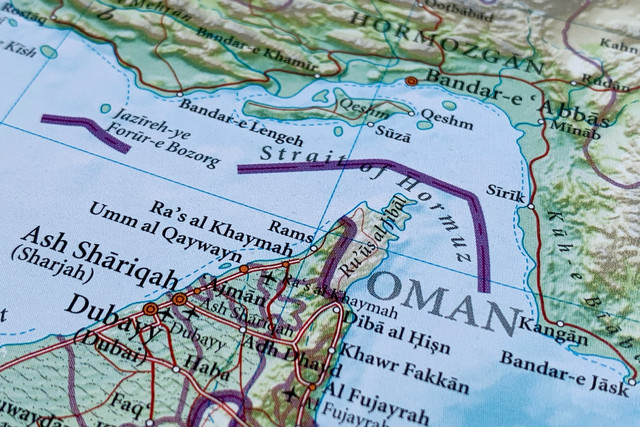
The disruption of the Strait of Hormuz has clarified the gravity of this polemic. Suddenly, a vital artery carrying 20% of the world’s oil has been paralyzed. Millions of barrels sit stagnant, waiting for the first domino to fall. As oil prices skyrocket, a pre-planned scenario begins to unfold. Supply is limited, chaos ensues, and meanwhile, a silent shift in mineral exploitation goes unnoticed: Nickel.
While Brent crude leaped from an average of $70 to over $110 per barrel, the real game had only just begun. As global tensions rise, it appears the U.S. government continues to consolidate its advantage. The strategic plan is shifting; the world has begun converting fossil fuel chains into electric superpowers. Although we cannot ignore our current reliance on oil, global powers recognize that the era of petroleum is nearing its end.
This shift occurs as great nations maneuver to control future energy supplies. They hold vast reserves and, remarkably, profit from the very problems they help create. Historically, these powers have always identified “enemies” to justify disruption.
However, a new clue has emerged: Indonesia controls 60% of the world’s nickel production. In this new arrangement, Indonesia remains tethered to the U.S. under the guise of the “Board of Peace.” With Donald Trump holding the cards, he exercises influence at his pleasure. In this new hierarchy, nickel has become the most precious mineral, while oil is treated like “old garbage.”
The U.S. understands that oil supply chains are perpetually reliant on the Middle East. They strive for control, and when the opportunity arises, they “roll the dice” in a high-stakes geopolitical gamble. The situation grows more dramatic as China enters the fray. China possesses massive assets in Indonesia, specifically in the smelter sector. Because nickel ore must be purified to be usable, processing power equals domination.
China owns 75% of the smelting capacity in Indonesia , more than enough leverage to destabilize the nation’s autonomy. This creates a profound dilemma for the Indonesian President regarding his position on the US-Iran conflict. Strengthening one partnership risks losing another.
While some suggest Indonesia should step back, it may already be too late; the global powers already control the sources of energy. Through the Hilirisasi (Downstreaming) Program, Indonesia banned raw ore exports, but China holds the “free-will” cards by controlling the processing. On the surface, Indonesia aligns with the U.S., but internally, China moves the political needle.
The global market is now playing its role, with every sector managed through a calculated hierarchy. This is not merely an individualistic war; it exceeds our estimations. The impact ripples through education, pharmaceuticals, politics, and energy.
We are approaching a chapter where the threat is not just war or economic breakdown, but something more insidious: the mechanism of controlling populations through smart devices. As we become fully integrated, our will is replaced by theirs. No words or protests will be necessary; humanity may simply move by command the era of the “substitute zombie.”