
Kampung Batik Kauman: Cultural Diplomacy Through Everyday Life
Mahasiswa Hubungan Internasional Universitas Sebelas Maret
·waktu baca 2 menit


Tulisan dari Gregorius Alessandro Bria Nahak tidak mewakili pandangan dari redaksi kumparan
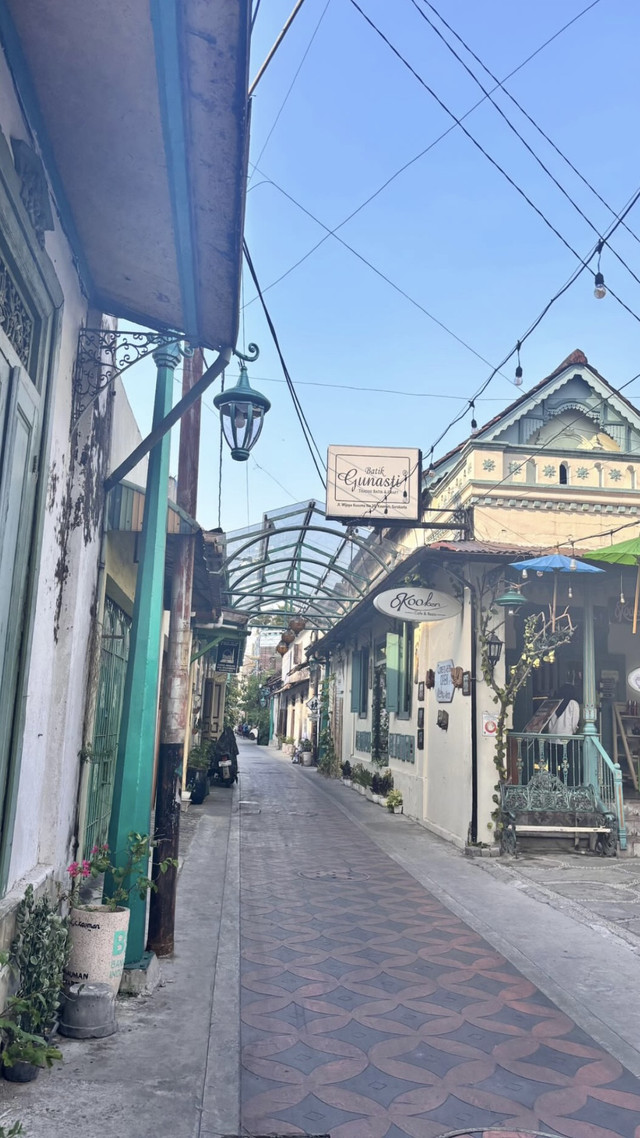
Kampung Batik Kauman in Solo is more than just a neighborhood filled with artisans; it is a living space where Indonesia’s cultural identity is woven into every fabric. As visitors walk through its narrow alleys, they see how tradition, craftsmanship, and community values come together. This simple daily life of people dyeing fabrics, drawing motifs, greeting neighbors, becomes a quiet yet powerful form of cultural diplomacy.
 Perbesar
Cultural diplomacy is not always about grand international events. Sometimes, it begins with a single conversation between a batik maker and a traveler who wants to understand the meaning behind the patterns. In Kauman, these interactions create bridges. Tourists from abroad learn that batik is not just clothing, but a philosophy: patience, precision, and harmony. This experience shapes how they view Indonesia, seeing it as creative, rooted, and welcoming.
The community also plays a role in protecting heritage while adapting to modern needs. Young artisans collaborate with designers to keep batik relevant globally. This innovation helps batik enter international markets, strengthening Indonesia’s cultural presence without losing authenticity. Through its products, stories, and people, Kauman sends a message to the world: culture can unite, inspire, and connect nations.
I see many tourists and local residents interacting and going about their activities together.I believe that shopping and taking photos are simple activities, yet they become powerful tools for helping people from outside get to know and eventually appreciate batik.
In this way, Kampung Batik Kauman becomes a quiet ambassador of Indonesia. Every motif tells a story, every workshop opens a window to tradition, and every visitor becomes part of a cultural exchange that moves beyond borders.